






What Is Notarization?
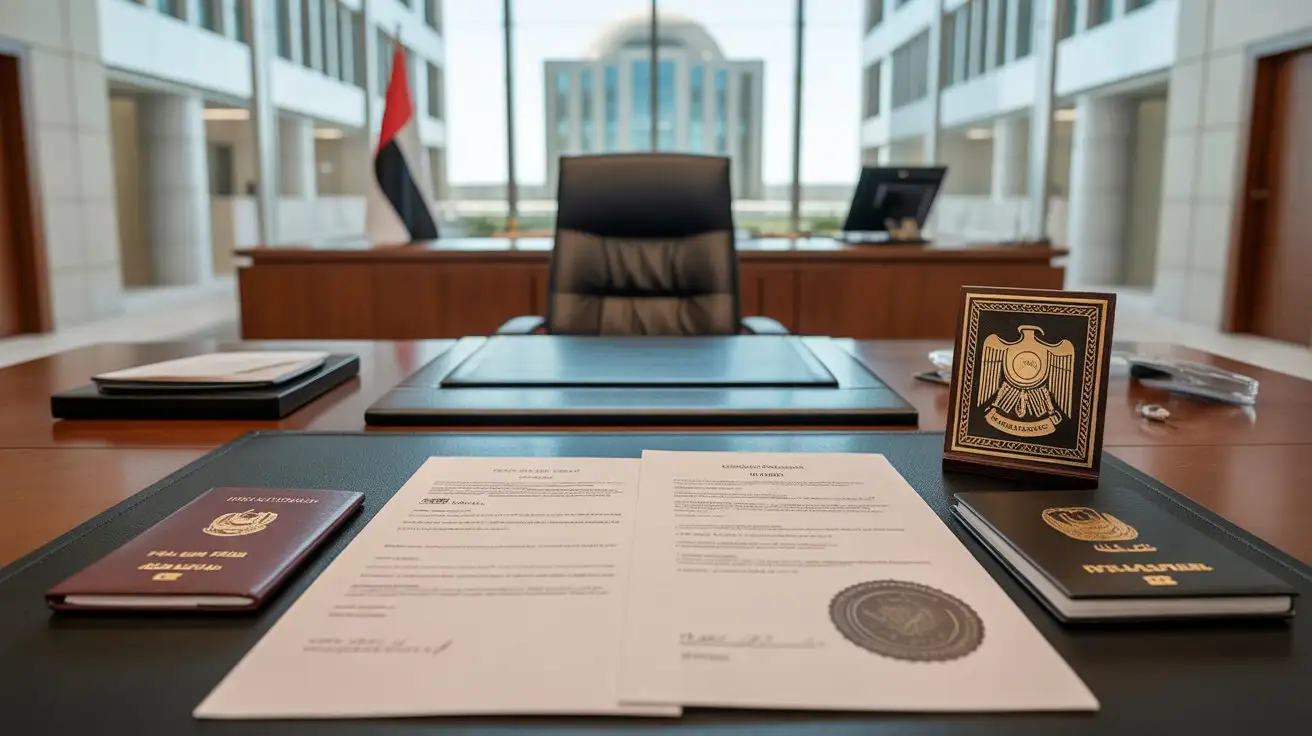
Notarization is the process of verifying a signer’s identity and helping deter fraud on a document by having it witnessed by a notary public. During notarization, the notary confirms the signer’s identity, willingness to sign, and awareness of what they are signing. The process is carried out by a notary public appointed by the state, who adds their signature and official seal to confirm the document’s authenticity and integrity.
Many people misunderstand notarization as a process that validates or approves a document’s contents. However, notarization does not certify the accuracy or legality of the content itself – it simply verifies the identity of the signer and the authenticity of the signature.
Lorem ipsum dolor sit amet, consectetur adipiscing elit. Ut elit tellus, luctus nec ullamcorper mattis, pulvinar dapibus leo.
Why the Notarization Process Is Important for UAE Legal Requirements
Notarization is essential for making documents legally binding and suitable for use in public records, including affidavits, wills, trusts, real estate transactions, and powers of attorney. Through notarization, your documents gain legal recognition and acceptance in United Arab Emirates courts and government authorities.
For expatriates, notarized documents play a crucial role in ensuring authenticity and enforceability under local laws, helping protect legal rights and preventing disputes.
Legal Validity
Under United Arab Emirates law, notarization is a mandatory requirement for documents that establish legal rights or obligations. Federal Decree-Law No. 20 of 2022 clearly outlines the notary profession and specifies that powers of attorney and property-related documents must be properly notarized to avoid being considered ineffective or unenforceable. Proper notarization ensures that documents carry full legal weight and are recognized by authorities.
Fraud Prevention
Notaries public appointed by the state act as impartial witnesses. They verify identities and ensure that signers fully understand the documents, helping prevent forgery, coercion, and misrepresentation. This process adds credibility and creates a legal presumption that the document is authentic unless proven otherwise.
Common documents required for Notarization
- Powers of Attorney
- Commercial contracts
- Affidavits
- Eviction notices
- Non-Muslim wills
Arabic Notarization Requirements for Expats
Expatriates in the United Arab Emirates must follow specific Arabic language requirements for public notarization to comply with standards set by the Ministry of Justice UAE. These requirements help ensure legal validity across government authorities, including courts and immigration departments.
Translation Rules for Notarization
Public notaries typically notarize documents only in Arabic or English. Any document issued in another foreign language must first be translated into Arabic or English by a certified legal translator before notarization.
Index Legal Translation provides certified legal translators approved by the Ministry of Justice and has extensive experience translating both personal and professional documents into more than 120 languages, as required.
Also Read: Online Notary Public Abu Dhabi | Fast ADJD Notary Services
The Process of Notarization of Documents in the UAE
Step One: Notarization
In this step, the notary public authenticates the signature on documents intended for use in the United Arab Emirates. The notary witnesses the signing, verifies identities, confirms signer willingness, and authenticates the document to prevent fraud and ensure legal validity.
For expatriates, notaries also handle bilingual formats, affidavits confirming translation accuracy, and initial legalization steps for foreign-issued documents.
Step Two: Attestation
After notarization, the attestation process is carried out to make the documents legally valid for use in the UAE. This step confirms that the notarized document is officially recognized by relevant authorities.
Step Three: Certification by the UAE Embassy
The UAE embassy verifies the attestation and notarization are done properly by authorized offices and officials. Once verified, the documents are stamped to confirm certification.
Step Four: Ministry of Foreign Affairs (MOFA)
The Ministry of Foreign Affairs UAE conducts the final verification, making the documents valid for their intended purposes such as PRO approvals, court filings, or immigration procedures.
If documents originate within the UAE, the embassy step is skipped, and they proceed directly to MOFA after court approval.
Conclusion
Notarization plays a vital role in establishing the legal validity of documents. In the UAE, notarization follows a structured sequence to ensure authenticity – especially for expatriates handling powers of attorney, affidavits, or contracts.
Since Arabic is the official language of the UAE, documents often require certified Arabic translation, along with strict identity verification, official certification, and sealing. At Index Legal Translation, we provide notarization, attestation, and certified translation services for all legal requirements faced by expatriates, ensuring every legal matter is handled accurately, saving you time and giving you peace of mind.